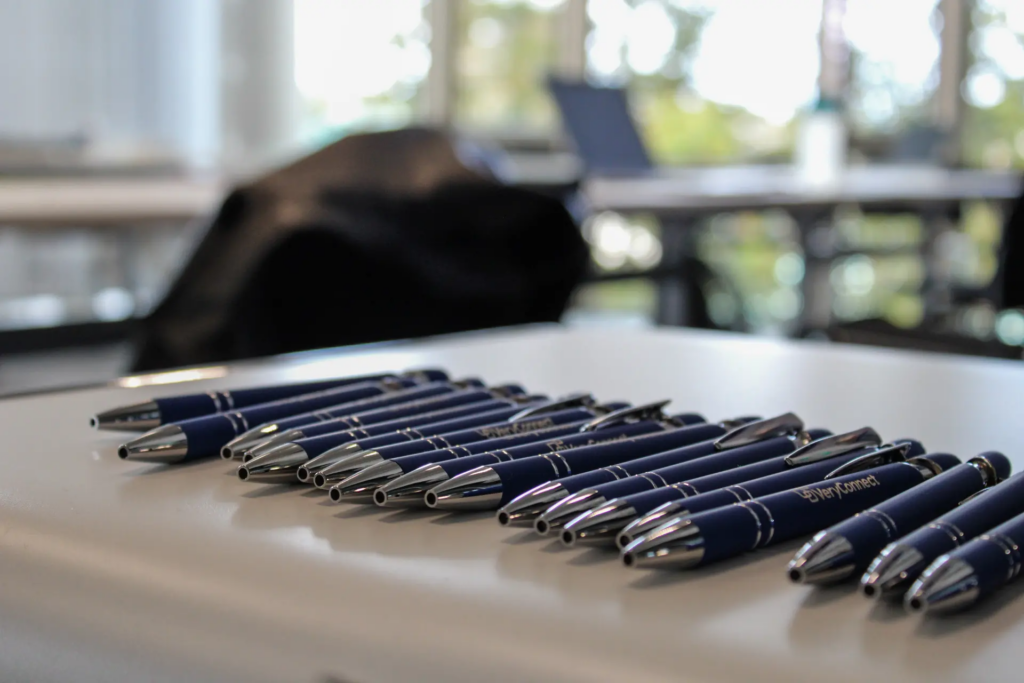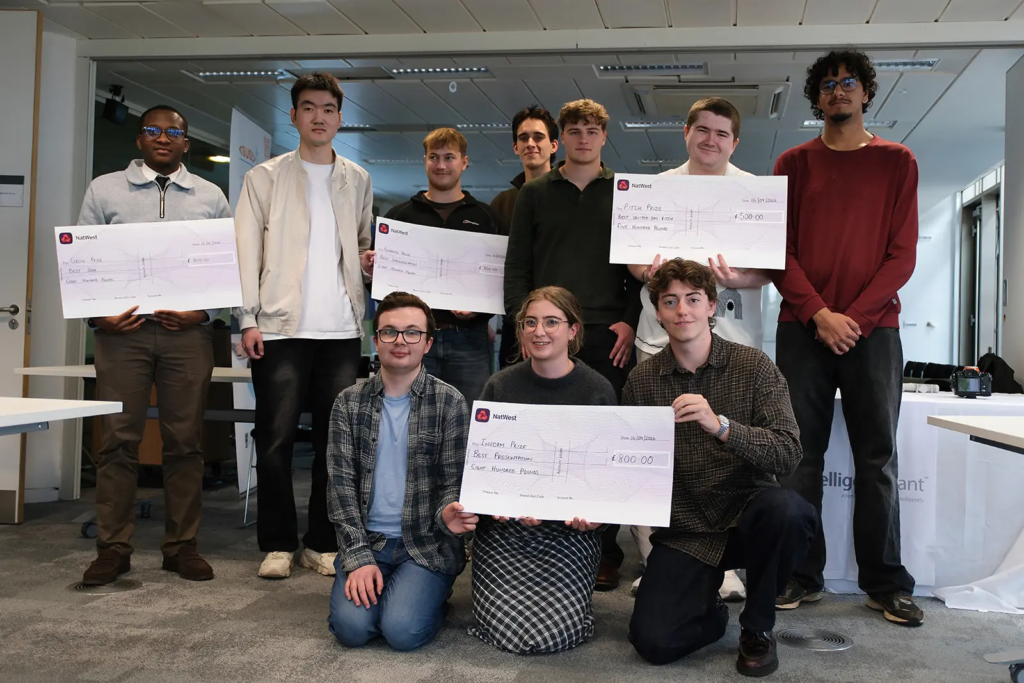
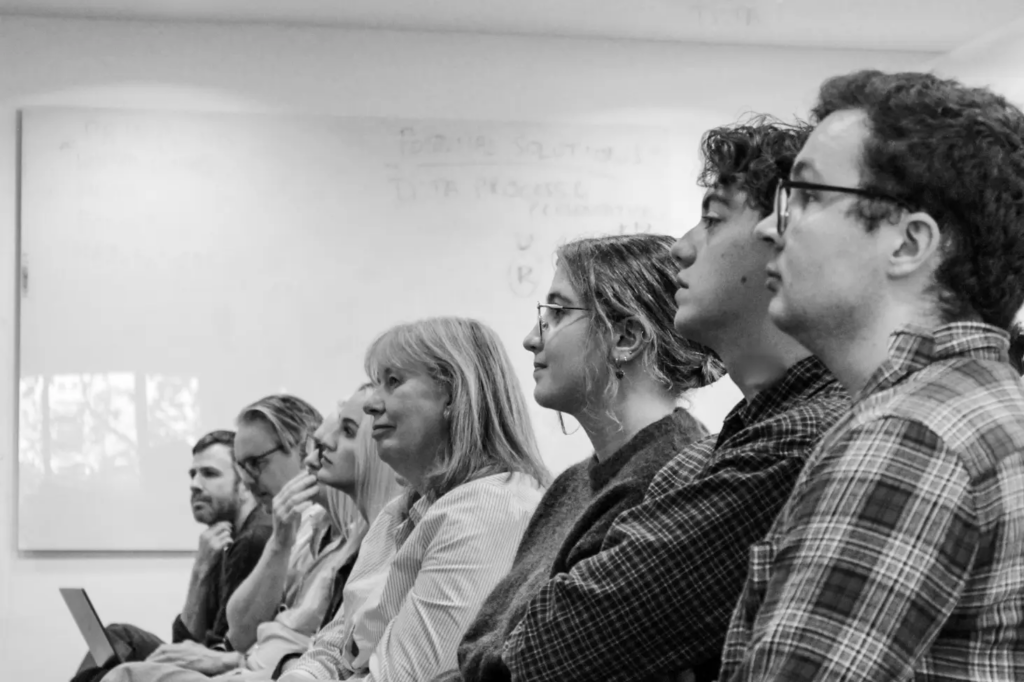
Last week, we were delighted to host the Glasgow Inform Prize for the second year running, bringing together university students, employers and industry professionals for a day dedicated to innovation, technology and emerging talent.
The Inform Prize gives students the opportunity to take digital projects designed around real-world problems and present them directly to people working in industry. Alongside showcasing their technical skills, students have the chance to explain their ideas, answer questions from judges and employers, build their confidence and make connections that could help as they begin their careers.
This year’s Glasgow event once again brought together students from across the city’s four universities: the University of Glasgow, University of Strathclyde, Glasgow Caledonian University and the University of the West of Scotland.
Throughout the day, teams exhibited their projects and spoke with attendees about the problems they had chosen to tackle, the technology behind their solutions and where their ideas could go next. The range of projects highlighted the creativity and technical ability being developed across Glasgow’s universities, with ideas covering healthcare accessibility, social connection, marine engineering, laboratory processes, resource planning and support for local businesses.
The Inform Prize itself began in Aberdeen in 2014, created by Intelligent Plant to showcase student talent and create stronger links between universities and local industry. More than a decade later, the competition continues to provide students with a valuable opportunity to put their work in front of employers, while the expansion into Glasgow is helping the initiative connect with even more students and businesses across Scotland.
Keynote Speaker:
Heather Thomson, CEO of The Data Lab
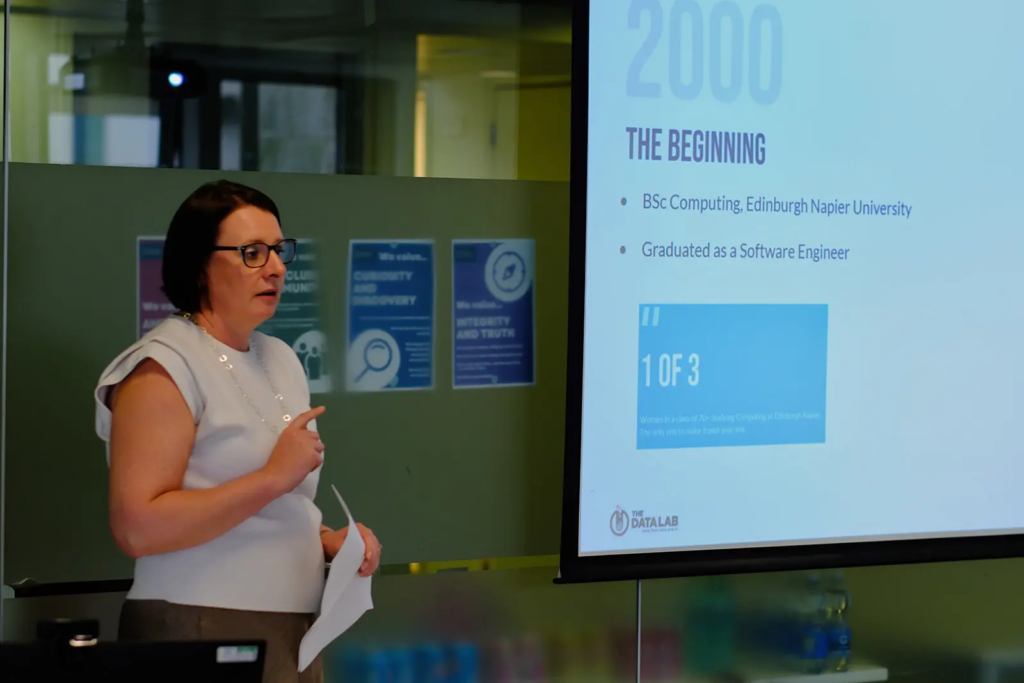
We were delighted to welcome Heather Thomson, CEO of The Data Lab, as this year’s keynote speaker.
The Data Lab is Scotland’s Innovation Centre for Data and AI, supporting innovation, collaboration and skills development across industry, academia and the public sector.
Heather shared her career journey from studying software engineering and working in software development to moving into technical training and, ultimately, becoming CEO of The Data Lab in 2024.
A key theme throughout Heather’s talk was that a career in technology does not have to follow one fixed path. While technical skills are important, she highlighted the value of critical thinking, problem-solving, communication, teamwork, emotional intelligence and adaptability – skills that can open up opportunities well beyond traditional software development roles.
Heather also addressed the changing impact of AI on software engineering careers. Rather than viewing AI as the end of opportunities in the sector, she encouraged students to think about how entry routes into technology are evolving. Her advice was to build strong portfolios, develop specialist knowledge and learn how to direct, assess and challenge AI-generated outputs rather than simply compete with the technology.
Her talk was a valuable reminder that there is no single route into, or through, a career in technology, and that being adaptable and open to new opportunities can be just as important as the technical skills you start with.
This Year’s Prize Winners
The standard across all of the projects was extremely high, giving the judging panel plenty to discuss when choosing this year’s winners.
Inform Prize - Best Presentation:
ComChat
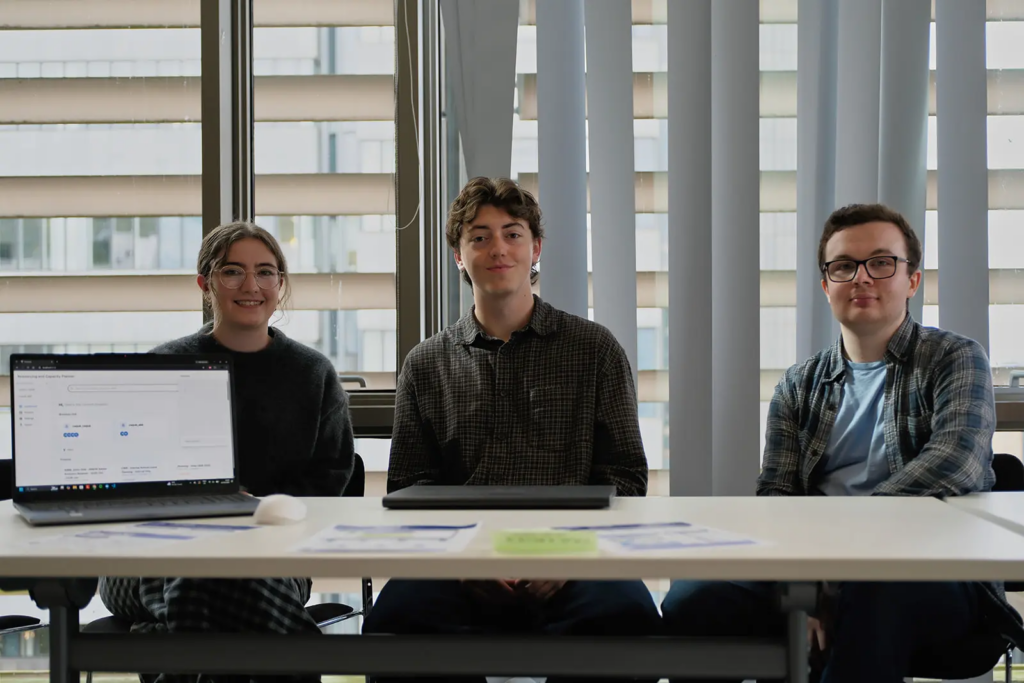
Team SH35 from the University of Glasgow received the Inform Prize for Best Presentation with their project, ComChat.
The prize recognises the team that can explain its idea in a particularly clear, simple and engaging way. SH35 stood out for how effectively they communicated both the problem they were tackling and their solution.
ComChat is a resource planning and allocation platform designed to bring project, staffing and availability information together in one place. The system also includes an AI assistant that enables managers to ask questions and make resource changes using natural-language prompts.
The team impressed the judges by making a potentially complex project straightforward to understand and demonstrating its value clearly throughout their presentation.
Enhance Prize - Best Implementation: MalinFreeboard
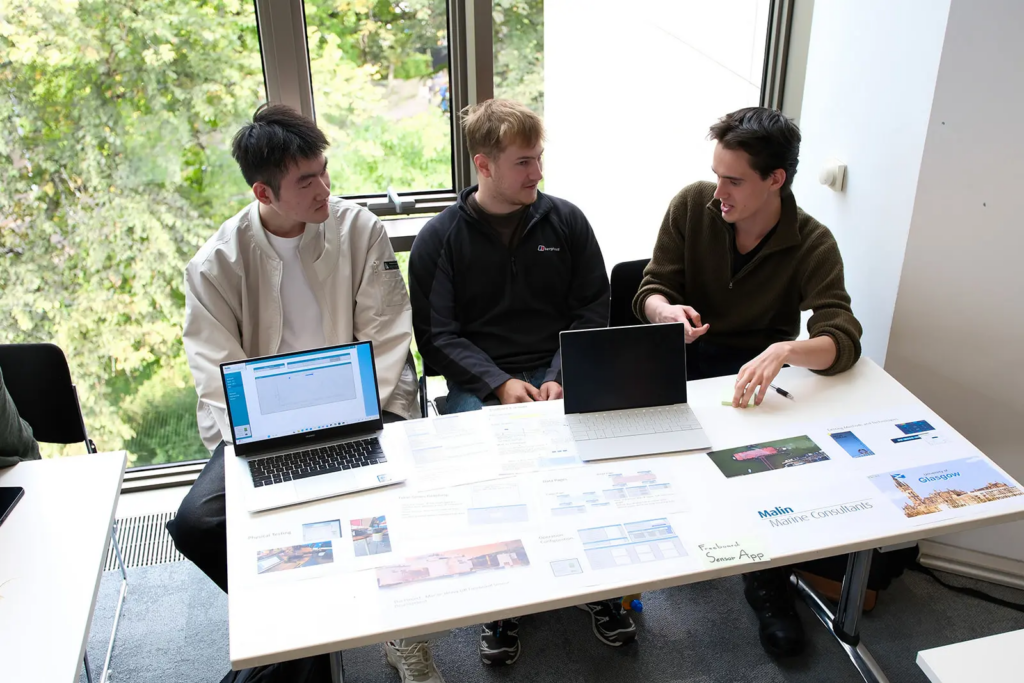
The Enhance Prize for Best Implementation went to Team SH16 from the University of Glasgow for MalinFreeboard.
This award recognises a team that has taken an idea and executed it to a particularly high technical standard, producing something approaching a finished product.
Working with Malin Group, the team developed a real-time monitoring and configuration system for freeboard sensors used during heavy-lift marine operations. Their project introduced a more scalable approach to collecting sensor data, alongside a desktop dashboard that allows engineers to monitor readings and configure sensors more easily.
The team impressed the judges with their technical choices and architectural decisions behind the project, as well as the way they responded to questions about its implementation.
Grow Prize - Best Idea:
YANA HEALTH
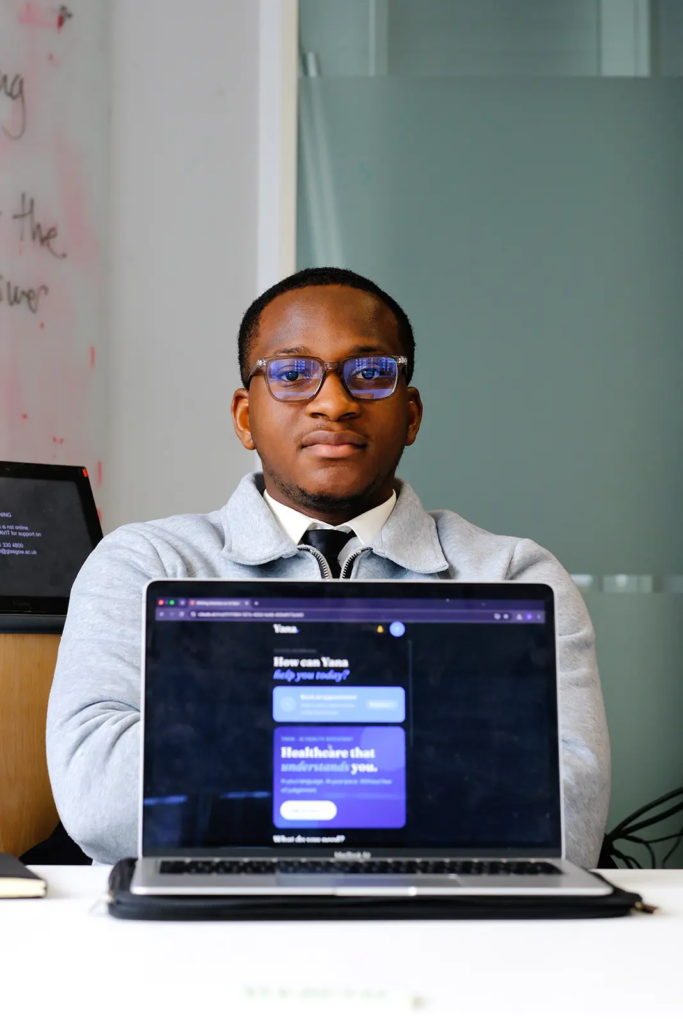
The prize celebrates an idea with the potential to make people look at a problem differently and consider how the concept could develop further.
Created by a solo student, YANA is designed to make the UK healthcare system more accessible for people who may face language, cultural or knowledge barriers when trying to get help.
The app allows users to communicate in their preferred language, better understand healthcare services and create clear summaries of their symptoms that could be shared with healthcare professionals. The concept also includes features designed to make accessing healthcare information and support feel more private and approachable.
The idea generated considerable interest on the day, with plenty of potential identified for how it could be developed further.
Pitch Prize - Best On-the-Day Pitch:
Neurish
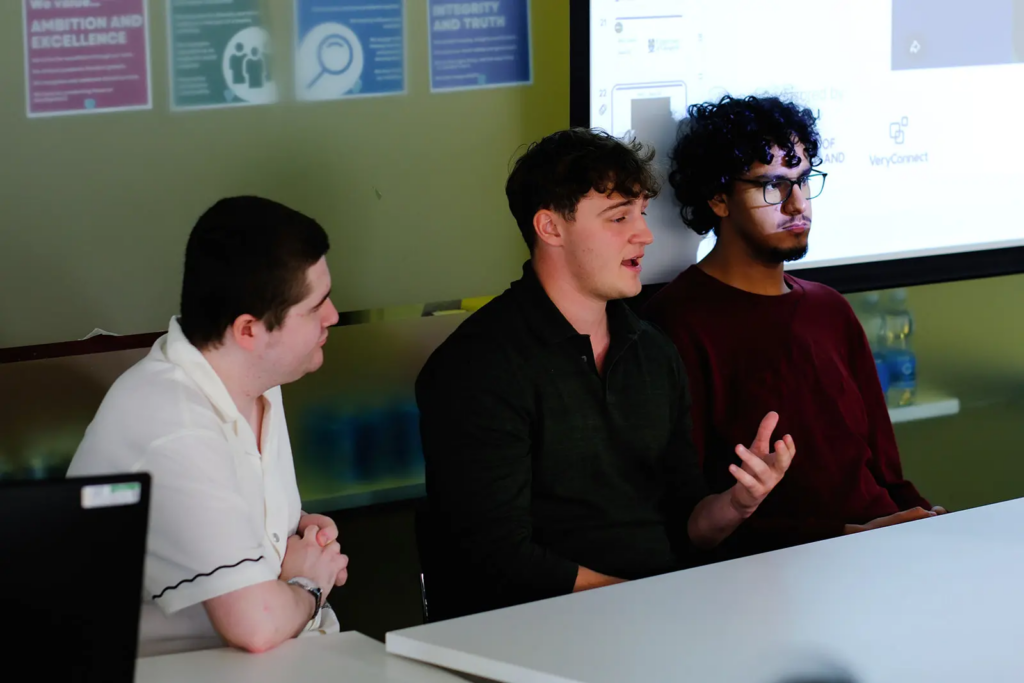
This year, we also introduced a new Pitch Prize, recognising the team that made the strongest impression through their on-the-day pitch and conversations with attendees.
The first winners of the prize were team ESE2 from the University of Glasgow. Their project , Neurish, is designed to help neurodivergent people connect through shared interests in an online environment created with accessibility in mind.
The platform aims to provide an alternative to mainstream social media, using shared interests to help people make connections while incorporating accessibility and sensory preferences into the experience.
The team stood out for the clarity of their pitch and their ability to anticipate and answer many of the questions people had about the project, both during their pitch and in conversations at their exhibition table.
A Strong Year of Student Projects
Choosing the prize winners was far from straightforward. The quality of the presentations, ideas and technical work across the event gave the judges a difficult decision, and industry professionals attending on the day commented on the level of talent being demonstrated by students who are still at the beginning of their careers.
Alongside this year’s prize winners, several other teams showcased impressive projects across the day:
- Team SH01 presented Taste of Lanarkshire, a food and drink discovery platform designed to help people find local businesses across the Lanarkshire area.
- Team SH07 showcased Marine Sensors, a project focused on diagnostic tracking for freeboard sensors used in heavy-lift operations.
- Team SH25 presented the AMS Workflow Tracker, developed to replace paper-based processes within a university laboratory and make it easier to record, manage and analyse laboratory workflows.
Together, the projects reflected the variety of challenges students had chosen to tackle and demonstrated how technology can be applied to solve real-world problems across very different sectors.
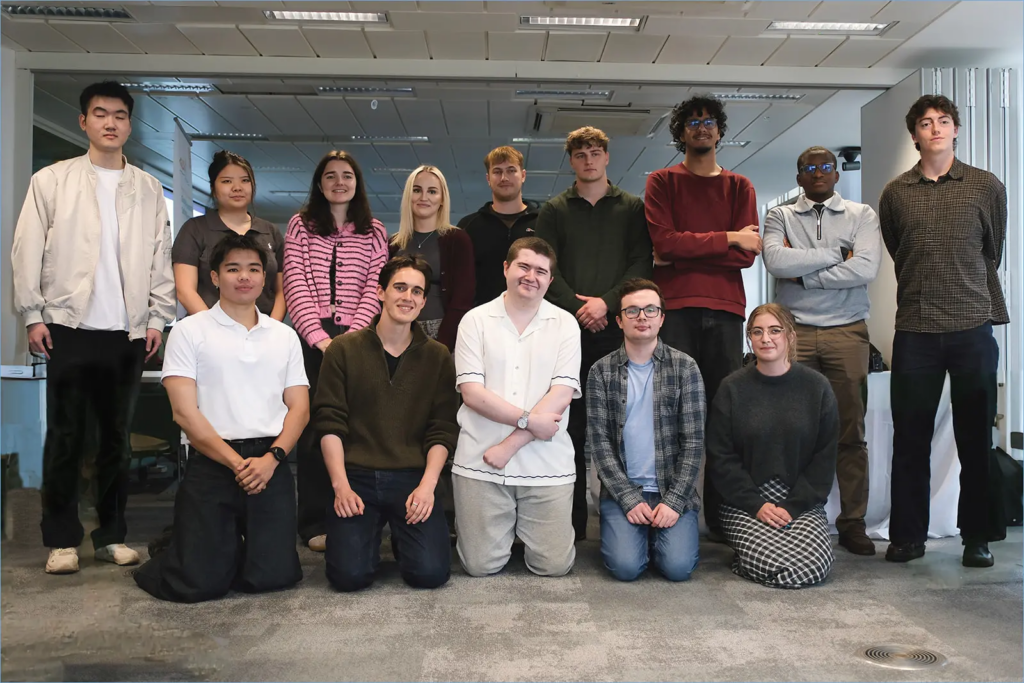
Thank You to Our Sponsors and Supporters
Events like the Inform Prize are only possible with the support of the organisations and individuals who give their time, expertise and encouragement to the students taking part.
A huge thank you goes to Bank of Scotland, whose sponsorship helped us bring this year’s Glasgow event together.
We are also incredibly grateful to Intelligent Plant, the organisation behind the original Inform Prize in Aberdeen. Their continued support has enabled the competition to expand into Glasgow and reach a new generation of students, while retaining the focus on bringing academia and industry closer together.
We would also like to thank Tim Storer from the University of Glasgow for his support in encouraging students to get involved and for taking on the role of MC on the day.
Finally, thank you to everyone who attended, spent time speaking with the teams and helped create such a positive environment for the students to present their work.
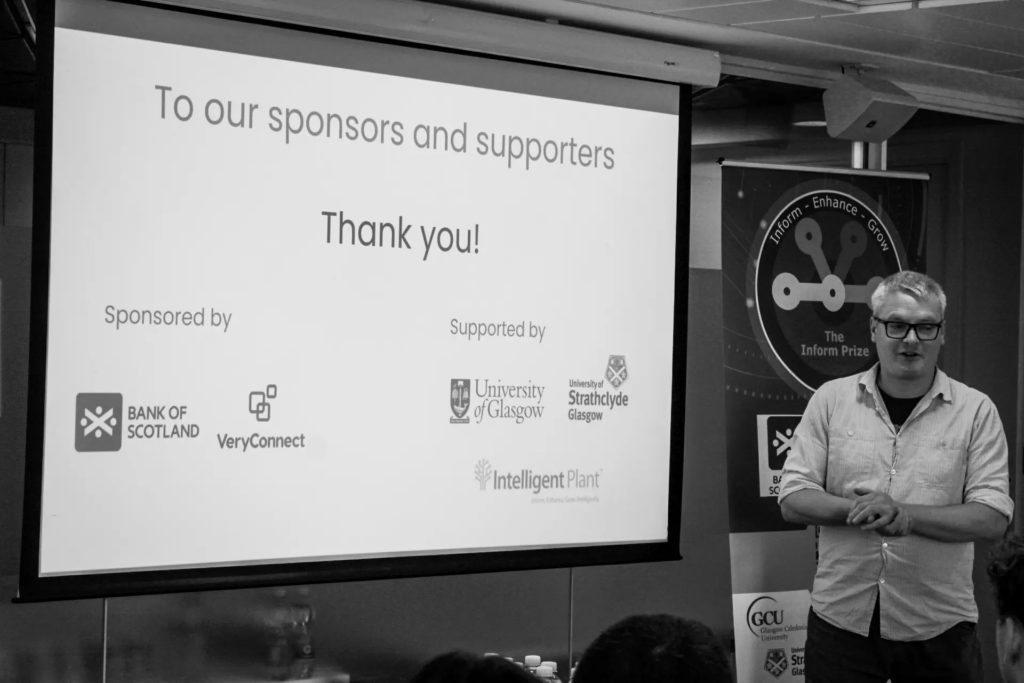
What’s Next for the Glasgow Inform Prize
Two years into the Glasgow Inform Prize, the event is continuing to demonstrate the value of giving students and employers the opportunity to meet around real projects rather than simply talking about future careers in the abstract.
For students, it creates a platform to put their skills in front of industry, gain experience presenting professionally and hear directly from people working across the technology sector. For employers, it provides an early look at the ideas, capabilities and perspectives emerging from Glasgow’s universities.
As the Glasgow event develops, there is an exciting opportunity to bring even more students, universities and organisations into the conversation, creating stronger connections between education and industry across the city.
Most importantly, the Inform Prize can continue to give talented students a platform to show what they are capable of – and help Scotland’s technology community discover the people and ideas that could shape what comes next.
See the full photo gallery from the 2026 Glasgow Inform Prize and stay updated as we share details for the 2027 event by clicking here.